
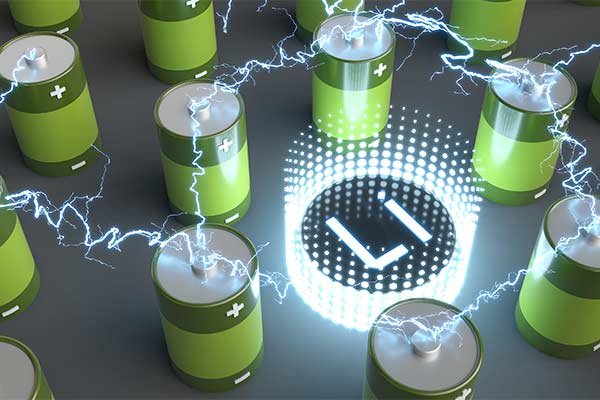




The Lithium Iron Phosphate (LFP) cathode market is continuing to grow, driven by technological advances and applications in energy storage and electric vehicles. Innovative trends are shaping the future of LFP materials as industries demand greater performance, cost efficiency, and sustainability. This blog explores the latest developments and market opportunities.
-
Modular Production and Process Integration
Modular Manufacturing: Advantages
Modular production has revolutionized the manufacturing of LFP cathode materials. Flexible production units allow manufacturers to adapt to varying specifications, enabling customization for different applications, such as electric vehicles (EVs), Energy Storage Systems (ESS), and lightweight transportation.
Automation in Manufacturing
When automation and artificial intelligence (AI) are integrated into LFP production lines, they improve precision and efficiency. AI-powered systems monitor production parameters in real time, reducing variance and optimizing output. The result is better quality consistency and lower production costs.
Digital Twin Technology
The digital twin is becoming a popular tool for simulating and optimizing production processes. Companies can enhance their operations without disruption by creating a virtual replica of the manufacturing environment.
-
Applications of Microgrid Energy Storage Systems
Distributed Energy Solutions
LFP materials are well-suited for microgrid energy storage systems, which are increasingly used to integrate renewable energies such as wind and solar. These systems are designed to provide power in remote locations and during grid failures. The high cycle life of LFP ensures consistent performance.
Technical advantages
LFP cathodes are ideal for microgrids because they offer high energy output and stability under different load conditions. These cathodes are also excellent for low-power sustained discharge applications, which is a crucial feature for rural electrification.
Market Potential
LFP batteries are expected to play a pivotal role in meeting the demand for microgrid storage solutions, as they offer affordability and reliability.
-
Lifecycle Assessment of LFP Materials
Environmental Impact Analysis
The Lifecycle Assessment (LCA), which evaluates the environmental impact of LFP cathode materials from the extraction of raw materials to their end-of-life, is a valuable tool. Studies show that LFP materials have a significantly lower carbon footprint compared to nickel-cobalt-manganese (NCM) alternatives due to the absence of rare and toxic elements.
Improving LCA outcomes
The environmental impact of LFP materials can be further reduced by incorporating innovations such as recycling and green manufacturing techniques. These innovations align with global sustainability goals and regulatory requirements.
Comparison of Competing Materials
LFP materials outperform other chemistries in terms of sustainability metrics, such as energy efficiency, recyclability, and durability. This makes them an environmentally preferable choice.
-
Composite Materials: Development and Use
Multiphase Composites
Combining LFP with other electrochemically-active materials presents a promising approach to enhancing its performance. Multiphase composites can achieve better energy density, increased conductivity, and faster charge/discharge rates.
Dual Function Cathodes
Innovators are working on developing dual-function cathodes that can serve both high-energy and high-power applications. These materials can simultaneously meet the demands of EVs and ESS.
New Conductive Additives
The conductivity of LFP can be further enhanced by adding additives such as MXenes or carbon quantum dots. This will improve rate performance and durability.
-
Consider regional market differences
Customized Solutions for Western Markets
North America and Europe are driving the demand for high-performance LFP materials due to stricter environmental regulations and consumers’ preference for sustainable products. Customization to meet regional demands includes eco-friendly production methods and materials with higher energy density.
Scaling up Production in Asia
Asian manufacturers continue to dominate the LFP market due to cost-effectiveness and large-scale production capabilities. China is the market leader for LFP cathodes, thanks to its extensive supply chains and robust R&D infrastructure.
Emerging Markets
LFP materials are still underutilized in regions like Africa and South America, especially for applications such as off-grid energy storage and affordable electric mobility. LFP materials can offer cost-effective and durable energy solutions to these markets.
-
LFP materials for high-temperature applications
Industrial Energy Storage
In high-temperature industrial environments, materials with excellent thermal stability are required. LFP cathodes have been engineered to withstand these conditions and provide reliable performance.
Thermal Management Integration
Thermal management systems integrated directly into LFP batteries enhance their performance under extreme conditions. These systems enable efficient heat dissipation and minimize capacity degradation.
Specialized Applications
LFP materials have been adapted for use in high-capacity devices and portable power systems in the defense and aerospace industries.
-
Global Standardization and Certification
Certification Frameworks
LFP cathode materials are certified according to ISO and IEC standards, ensuring their safety and quality. Standardization facilitates international trade and boosts customer confidence.
Meeting Regional Compliance
Producers are customizing their processes to meet regional safety and environmental standards, such as the REACH regulations in Europe and the incentives provided by the U.S. Inflation Reduction Act for clean energy technologies.
Benefits of Standardization
Standardized production enables manufacturers to improve efficiency and reduce costs. This gives them a competitive edge in the global market.
-
Integration into Lightweight Transportation
Electric Two Wheelers and Scooters
LFP is increasingly being used in the manufacturing of electric two-wheelers in Asia and Europe, where urban mobility solutions are on the rise. Their affordability and safety make them ideal for this segment.
Portable Energy Solutions
LFP materials are suitable for portable applications such as power tools or small-scale energy storage. They offer an optimal balance between performance, durability, and cost.
Competitive Analysis
For lightweight applications, LFP materials outperform nickel-based alternatives, offering longer lifespans and improved thermal stability. This is particularly true in cost-sensitive markets.
Conclusion
As industries around the world adopt cleaner and more energy-efficient storage solutions, LFP cathode materials are emerging as the cornerstone of this transition. Their growth is propelled by innovations in modular production, advanced material composites, application-specific designs, and more. LFP materials are also competitive due to their focus on sustainability, regional customization, and integration into diverse applications.
These emerging trends serve as a reminder to manufacturers, investors, and researchers of the immense potential of LFP in meeting the needs of a sustainable energy future. Stakeholders can leverage these innovations to position themselves at the forefront of an expanding and dynamic market.